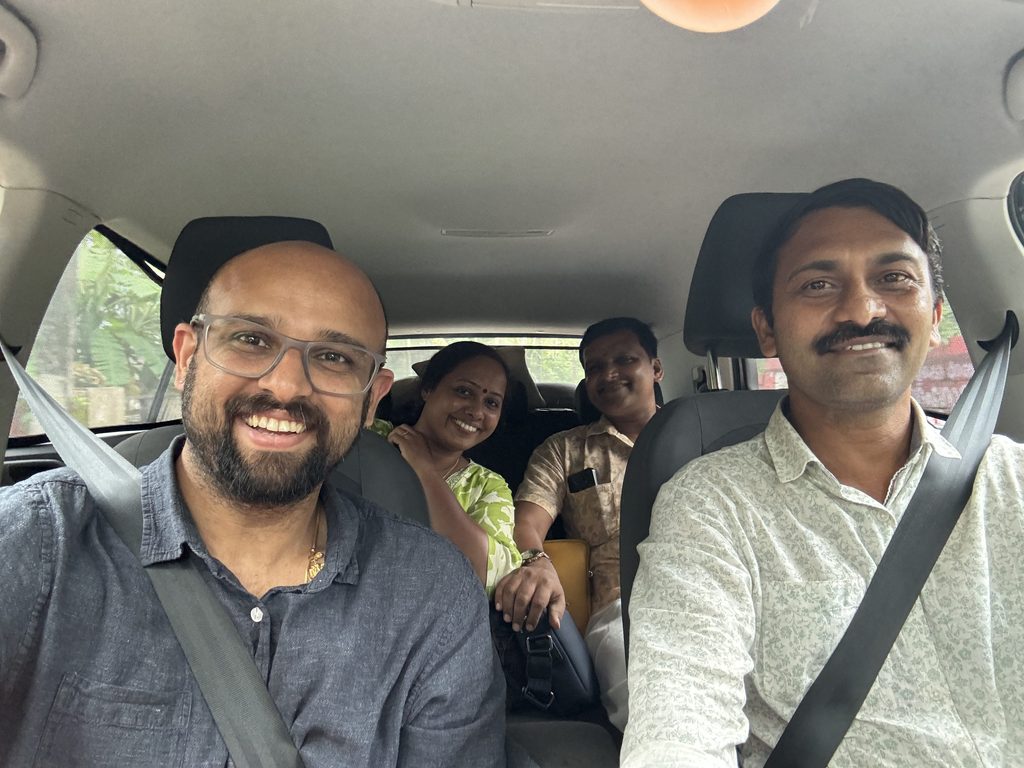
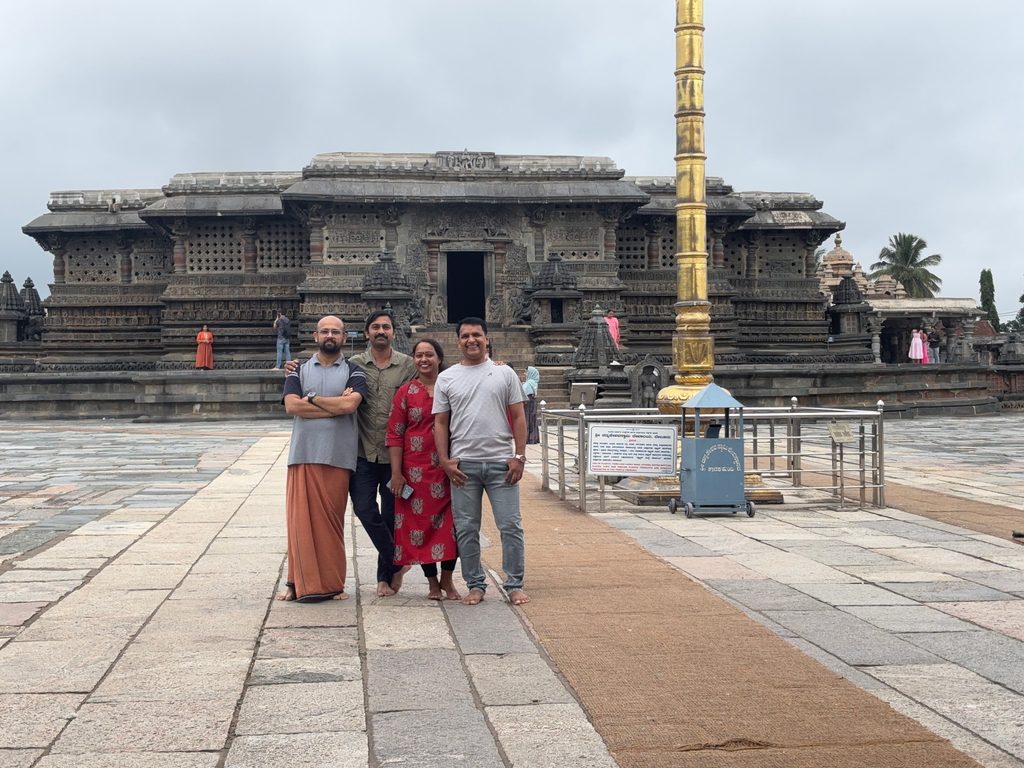
After our annual cousins trip [Shyam, Unnikkuttetan, Ramya and I] to Tamilnadu two years ago and to Andhra/Telengana over the last year, It’s time to chase some of the most incredible temple architecture Karnataka has to offer.
If you have not read previous blogs on Divine Designs, here you go – First one was Tamil Nadu and next one was Andhra and Telengana
Why this trip?
Its been a few years since we 4 cousins decided that we will join once a year for a week for a road-trip. This year the plan was simple: do it again. Same people, same car-and-chai energy, but a different state. Karnataka is where the Hoysalas, the Chalukyas and the Vijayanagara Empire left their signature in stone. It is a different style, a different era and honestly a different kind of wow.
If you are a reader of the divine designs series, you know how this goes. This is not a luxury trip. There is a lot of driving, not a lot of sleep, and zero fancy dining and shopping. But there is great company, non stop talking, great food at roadside places and a lot of stones to stare at.
ഇത്തവണയും ഞങ്ങൾ നാലുപേർ, കസിൻസ് ആണെങ്കിലും കൂട്ടുകാർ ആണ് കൂടുതൽ, തിരക്കുകളെല്ലാം മാറ്റിവെച്ച് വീണ്ടും വണ്ടിയെടുത്തിറങ്ങി. ഇത്തവണ കർണാടകയിലെ ഹൊയ്സാല ശില്പകലയും വിജയനഗര സാമ്രാജ്യത്തിന്റെ ഹംപിയും. ആണ് ലക്ഷ്യം. പ്ലാൻ കൂടുതൽ സ്ഥലങ്ങളിലേക് പോകാനായിരുന്നു പക്ഷെ വ്യക്തിപരമായ കാരണങ്ങളാൽ ചുരുക്കേണ്ടി വന്നു.
മുൻ എഴുത്തുകളിൽ പറഞ്ഞ പോലെ ലക്ഷ്യം മാത്രമല്ല പ്രധാനം ഒരുമിച്ച് കിട്ടുന്ന, എന്തും പറയാനുള്ള, ഒരു വർഷത്തിൽ കുറച്ചു ദിവസങ്ങളിൽ മാത്രം കിട്ടുന്ന സമയം കൂടി ആണ്. ഇംഗ്ലീഷിൽ എഴുതിയിരിക്കുന്ന ഡീറ്റെയിൽസ് അങ്ങനെ തന്നെ translate ചെയ്യുന്നില്ല. ഇടയ്ക്കിടെ ചെറിയ വർത്തമാനം മാത്രം മലയാളത്തിൽ.
A quick disclaimer, same as last time: this write up has a ton of details I picked up from Wikipedia and other sources. I take no ownership of that content. Given the amount of research needed, it is just easier to grab it from external sources and add our own experience on top.
The plan
We planned the trip for one week with a reserve day at the end in case things slipped. Below is what is covered in this article. The rest of the plan (Badami, Pattadakal, Aihole, Vijayapura, Ajanta – Ellora and the return) is parked for another occasion. We had to cut short the trip a bit due to our personal reasons and therefore it’s fewer days this time.
- Day 1: Kanhangad → Belur
- Day 2: Belur (Chennakeshava Temple) → Halebidu (Hoysaleswara Temple) → Chitradurga Fort → Hampi
- Day 3: Hampi
- Dropped the plan for Bijapur/Badami/Pattadakkal/Aihole/Ajanta/Ellora
- Day 4: Return to Kanhangad
Day 1: Kanhangad to Belur
Usually we start from Kottakkal, Kerala, but given the directions we were heading to, Its Kanhangad ths time. We started around noon on a Sunday. The plan was to reach Belur by the end of the day. If time permitted, there was a longer route through Moodbidri and Karkala (about 270 kms, 6 hours) with two stops worth making: the Thousand Pillar Temple (Saavira Kambada Basadi) at Moodbidri and the Gomateshwara statue at Karkala. The shorter route via Sullia is about 190 kms and 4.5 hours as per our notes.
Kerala to Karnataka through the ghat roads is always a pleasant drive. We were in Belur by evening, checked in to our Airbnb and called it a day. The next morning was going to be a big one.
കോട്ടക്കലിൽ നിന്നാണ് സാധാരണ തുടങ്ങാറ്. എന്നാൽ ഇത്തവണ കാഞ്ഞങ്ങാട് നിന്ന് നിന്ന് ഇറങ്ങി. നമ്മൾ നാലു പേരും കാഞ്ഞങ്ങാട് ചുറ്റുവട്ടത്തുള്ളവരാണ്. ശ്യാം മാത്രമാണ് നാട്ടിൽ തന്നെ ഉള്ളത്. ഉണ്ണിക്കുട്ടൻ – രമ്യ കോട്ടക്കൽ, ഞാൻ നെതെര്ലാന്ഡ്സിൽ. ഘാട്ട് റോഡിലൂടെ ഉള്ള യാത്ര എന്നും ഒരു സുഖമാണ്. ഏകദേശം ഒരു വർഷത്തിന് ശേഷം ഉള്ള അടുത്ത യാത്ര. അതിന്റെ ഒരു ത്രിൽ വാക്കുകളിലേക്ക് മാറ്റാൻ പ്രയാസമാണ്.
Day 2, Destination 1: Belur (Chennakeshava Temple)
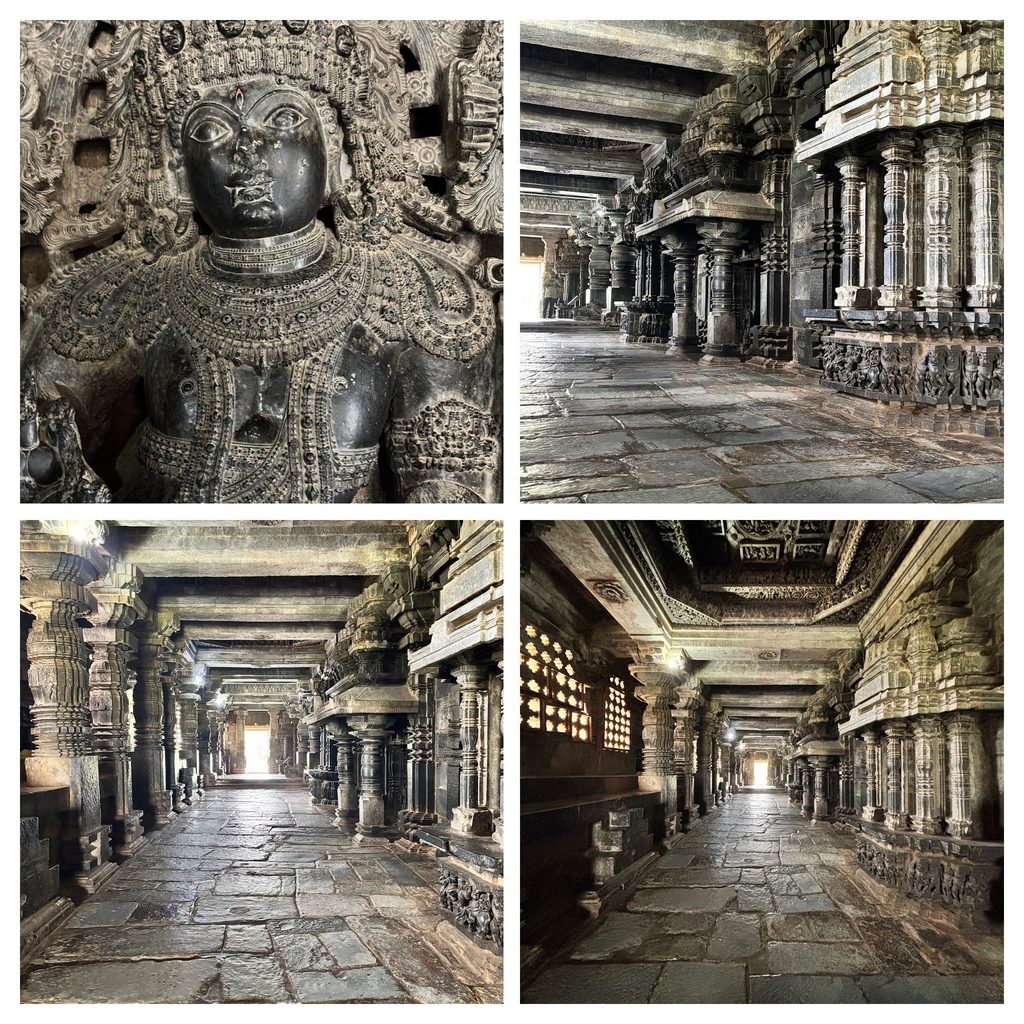
Belur is where Hoysala temple architecture really begins. The Chennakeshava Temple was started in 1117 CE by King Vishnuvardhana. It is dedicated to Lord Vishnu (Chennakeshava roughly means “handsome Kesava”) and is carved out of soapstone, also called chloritic schist.
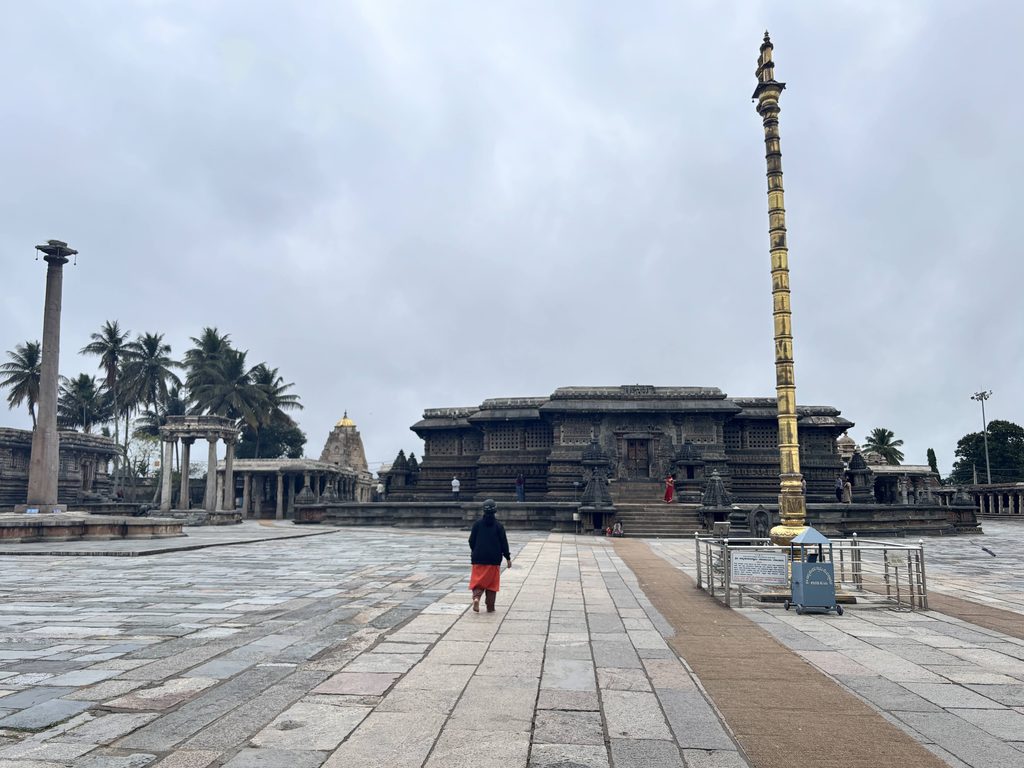
It is one of three temples that make up the “Sacred Ensembles of the Hoysalas”, inscribed as a UNESCO World Heritage Site in 2023. The other two are Halebidu, which we visited the same day, and Somanathapura, which we visited last year. So in a way this trip completed the set for us.
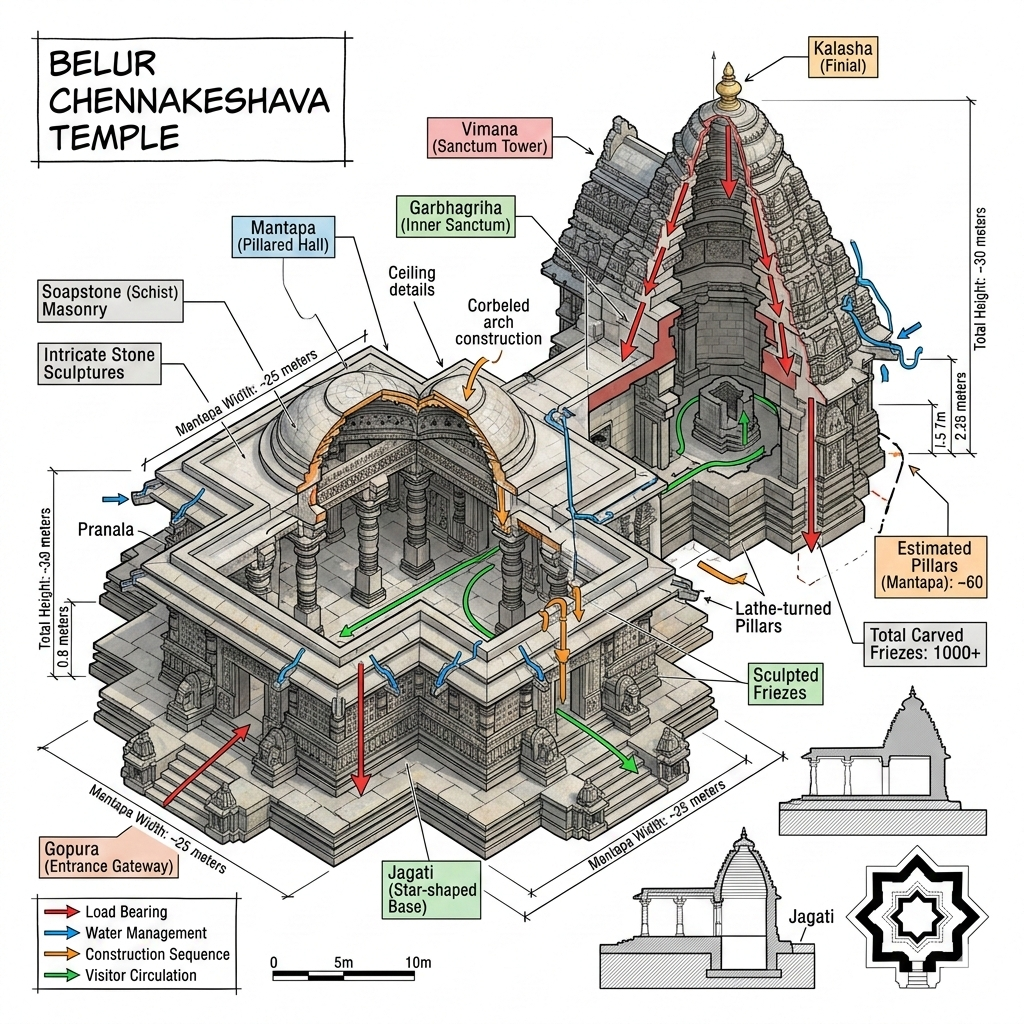
What I loved about Belur is that it does not try to impress you with height. Unlike the towering Dravidian temples of Tamil Nadu, Belur impresses you with precision, proportion and storytelling. The sculpture matters more than the scale.
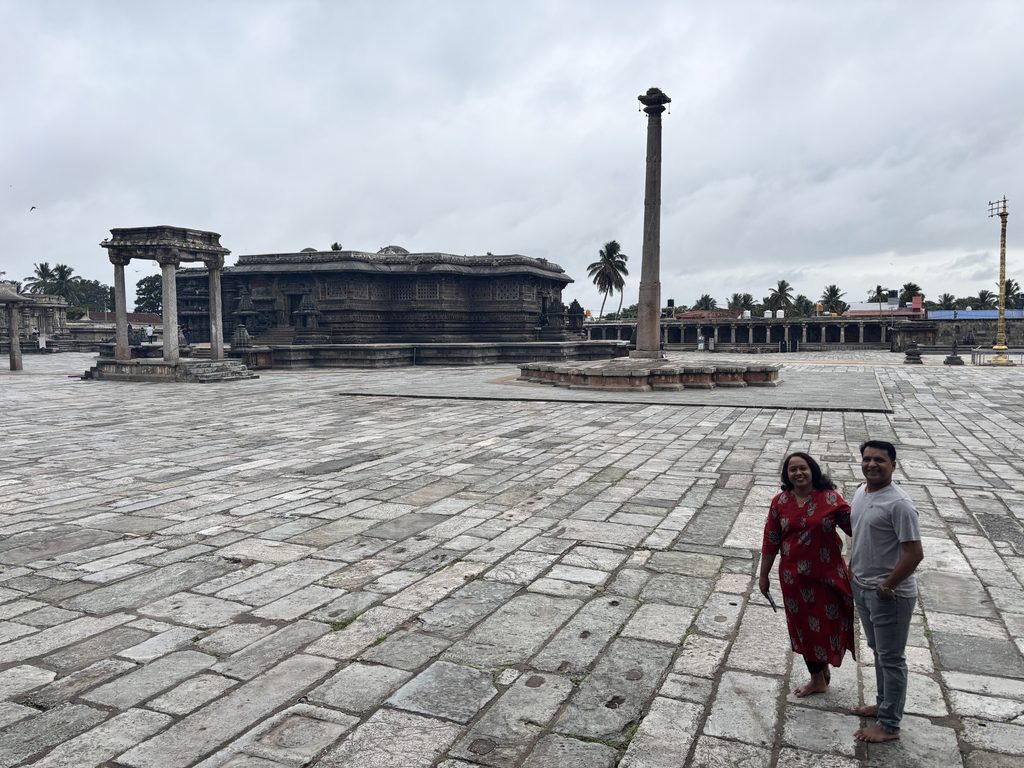
Some interesting facts about Chennakeshava Temple
- Construction started in 1117 CE and the sculptural refinement continued for over a century.
- The temple combines North Indian Nagara and South Indian Dravidian (Karnata) styles.
- It stands on a raised, star-shaped platform called a jagati, built for pradakshina (circumambulation).
- The original tower (shikhara) is missing today.
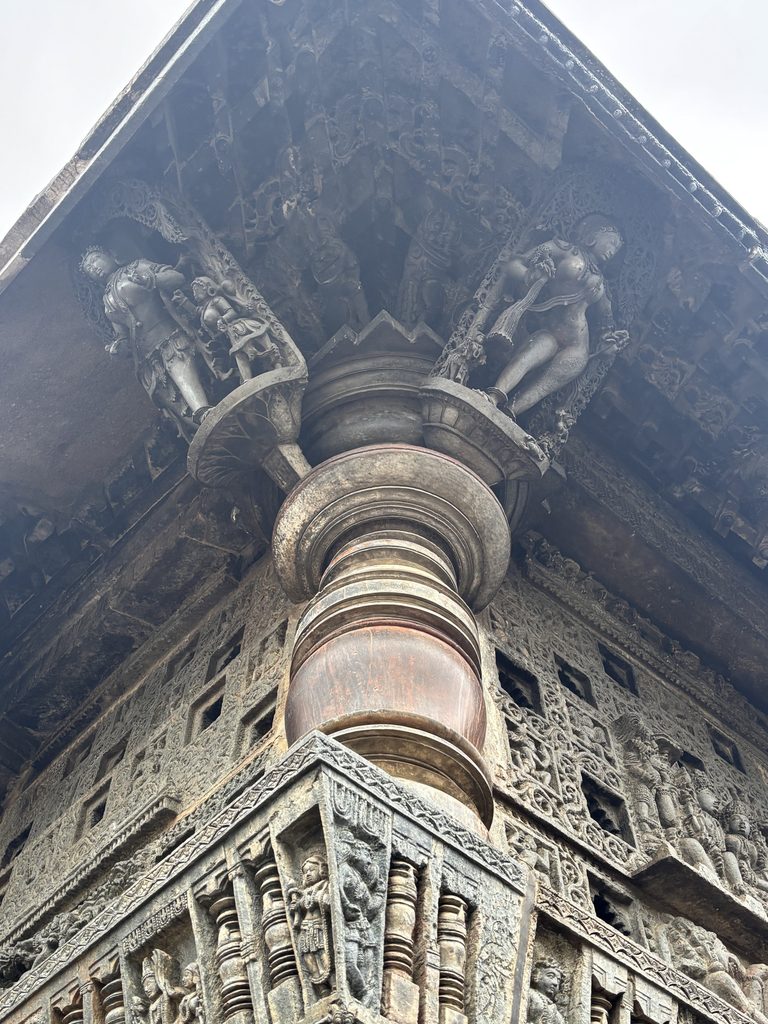
- Soapstone is soft when quarried and hardens over time. That is what allowed such crazy fine detail in jewellery, fingernails, fabric folds and facial expressions.
- The lathe-turned pillars are polished to a mirror-like finish. Some are said to still reflect light after 900 years.
- The temple tank (kalyani) is still functional, a typical Hoysala emphasis on water and ritual purity.
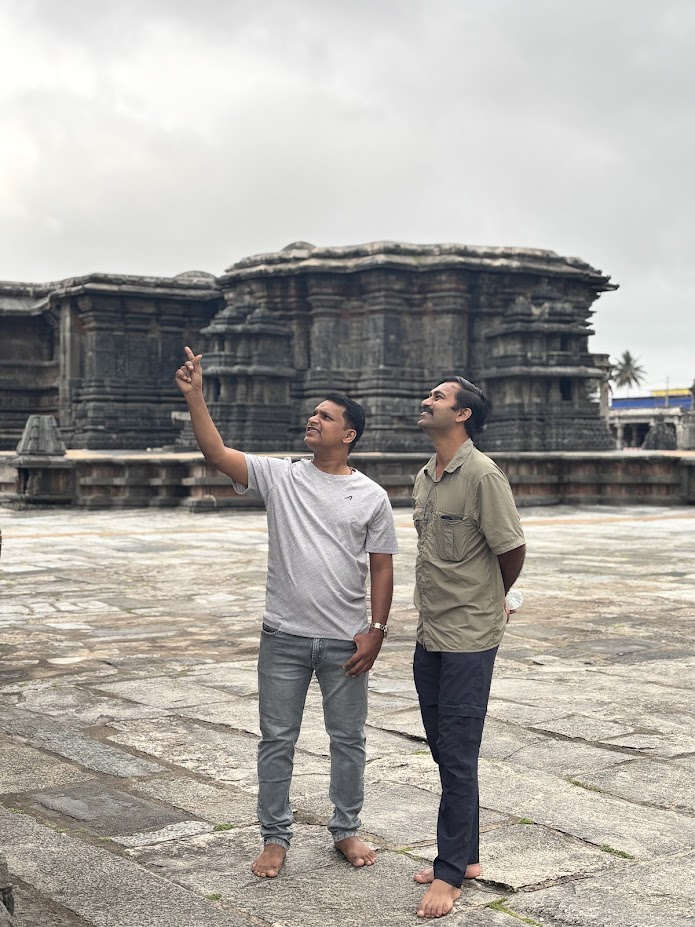
The absolute showstoppers are the Madanikas (also called Shilabalikas), 38 celestial maidens carved on the pillars and brackets. Look out for the lady with the mirror (Darpana Sundari), the huntress, the dancing beauty and the lady with the parrot. It is hard to believe these are stones.
ബേലൂർ ചെന്നകേശവ ക്ഷേത്രം ഹൊയ്സാല ശില്പകലയുടെ ഒരു ബൈബിൾ ആണ്. ഉയരം കൊണ്ടല്ല, കൊത്തുപണിയുടെ കൃത്യത [precision] കൊണ്ടാണ് നമ്മൾ വേറൊരു ലോകത്തേക്ക് പോകുന്നത്. സോപ്പ്സ്റ്റോൺ ആയത് കൊണ്ട് വിരലിലെ നഖം മുതൽ ആഭരണങ്ങൾ, വസ്ത്രത്തിന്റെ ചുളിവ് വരെ കല്ലിൽ കൊത്തി വെച്ചിരിക്കുന്നു. കല്ലാണെന്ന് വിശ്വസിക്കാൻ തന്നെ പ്രയാസം. കഴിഞ്ഞ വർഷം സോമനാഥപുരം കണ്ടതുകൊണ്ട് ഹൊയ്സാല UNESCO ത്രയത്തിൽ ഇതോടെ മൂന്നും പൂർത്തിയായി. ക്ഷേത്രത്തിന് ചുറ്റും ഘടികാരദിശയിൽ നടന്ന് താഴെ ആനകൾ, സിംഹങ്ങൾ, കുതിരകൾ എന്ന ക്രമത്തിൽ മുകളിലേക്ക് നോക്കണം. സമയം എടുത്ത് കാണേണ്ട അത്ഭുതം തന്നെ.
Pro-tip: walk clockwise around the temple and read the frieze from bottom to top. Elephants for strength and stability, lions for courage, horses for speed, then floral patterns and finally scenes from the epics. Do not rush this.
Summary:
🌿Why Belur Is So Important?
- Birthplace of Hoysala Temple Architecture
- Built by King Vishnuvardhana to celebrate:
- Military victories
- His conversion from Jainism to Vaishnavism
- This temple set the template for later Hoysala masterpieces (Halebidu, Somanathapura)
🛕A Temple That Took 100+ Years
- Construction started in 1117 CE
- Continued refining sculptures for over a century
🏛️ Sculpture Over Scale
- Unlike towering Dravidian temples, Belur impresses through precision, proportion, and narrative art
⭐Architectural Highlights
- Built using soapstone (chloritic schist), which allowed extremely detailed carvings.
- Combines North Indian Nagara and South Indian Dravidian/Karnata styles.
- Built on a raised platform called a jagati, designed for ritual circumambulation.
- The original temple tower (shikhara) is now missing
🛕 Star-Shaped Platform (Jagati)
- Raised platform with stellate (star) design
- Allows pradakshina (circumambulation)
- Gives the temple its dynamic geometry
🪨 Soapstone Magic
- Soft when quarried → hardens over time
- Enabled insanely fine details: Jewelry, Fingernails, Fabric folds, Facial expressions
⭐What to See
- 💃 Madanikas (Shilabalikas):
- Absolute showstoppers
- 38 celestial maidens carved on pillars and brackets
- Famous ones: Darpana Sundari – lady with a mirror (iconic), Huntress, Dancing beauty, Lady with parrot
- 🧱 Exterior Friezes (Clockwise Storytelling): Walk clockwise around the temple and notice:
- Bottom → top: Elephants (strength & stability), Lions (courage), Horses (speed), Floral patterns, Epics
- 🧘 Main Sanctum:
- Enshrines Lord Chennakeshava (Vishnu)
- Originally housed a standing Vishnu statue
- Calm, proportionate, almost human in presence
- 🪜 Lathe-Turned Pillars:
- Polished to a mirror-like finish
- Perfect symmetry
- Some still reflect light after 900 years
- 🏛️ Kalyani (Temple Tank):
- Functional ritual tank
- Typical Hoysala emphasis on water + ritua☀️Brief History Timeline
- 10th–13th century: Early foundations laid by Chalukyas & Hoysalas
- 14th–16th century: Fortification expanded under Vijayanagara Empire
- 16th–18th century: Major expansion by Chitradurga Nayakas
- 1779: Captured by Hyder Ali
- Later: Controlled by Tipu Sultan, then British
- 🌊What to See Inside the Fort
- 🔱 Temples:
- Hidimbeshwara Temple: Linked to the Mahabharata (Bhima–Hidimba legend), Features a massive footprint believed to be Bhima’s
- Sampige Siddheshwara Temple
- Phalguneshwara & Gopalaswamy Temples
- 🚪 Gates & Structures: Rangayyana Bagilu (main entrance), Ekanatheshwari Bagilu (strategic inner gate), Guard rooms, granaries, and secret passages
- 🗿 Madakari Nayaka Statue: Commemorates the last Nayaka ruler, Overlooks the fort—symbolic and dramatic
- 🌄 Viewpoints: Stunning panoramic views of Chitradurga townl purity
Day 2, Destination 2: Halebidu (Hoysaleswara Temple)
Belur to Halebidu is just about 17 kms, so we were there in no time.
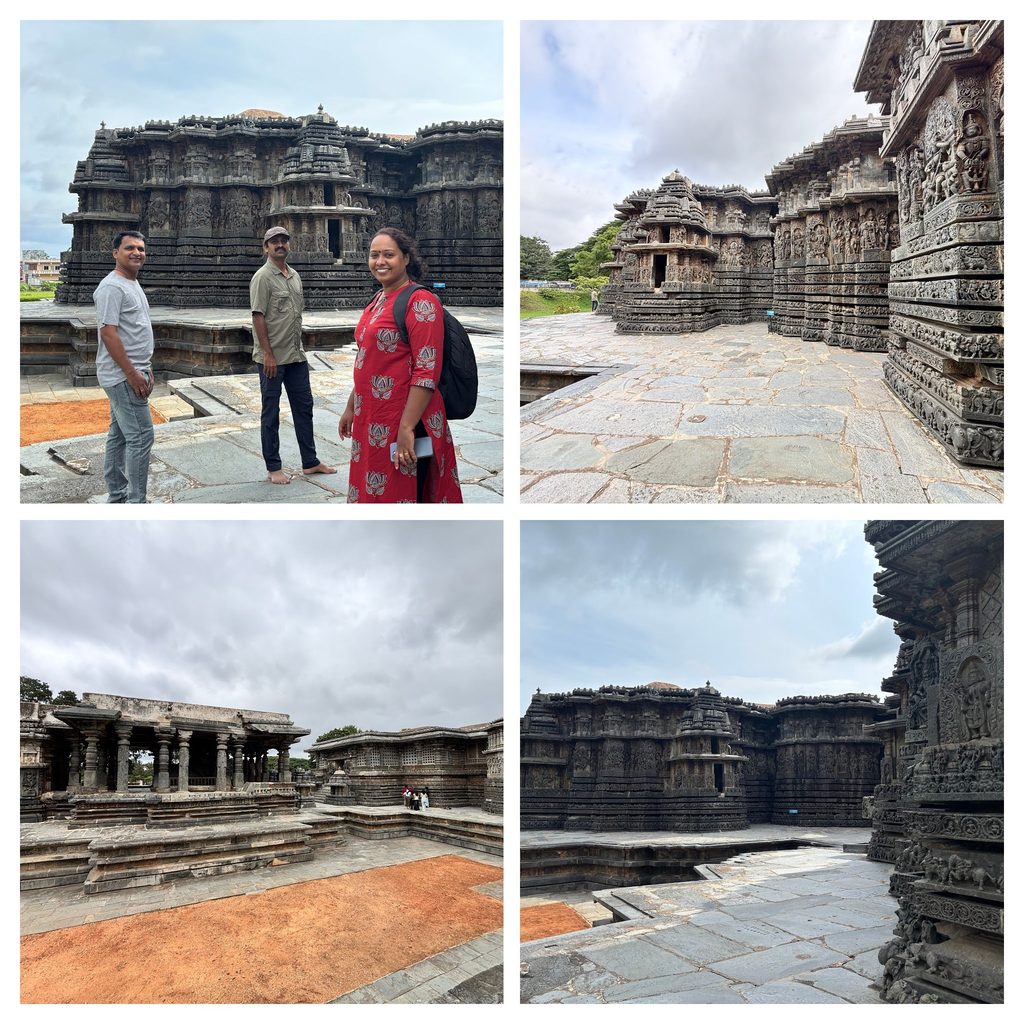
If Belur is the birthplace of Hoysala style, Halebidu is often considered its absolute peak. The Hoysaleswara Temple was the royal capital temple, built when the Hoysala dynasty was at the height of its power.
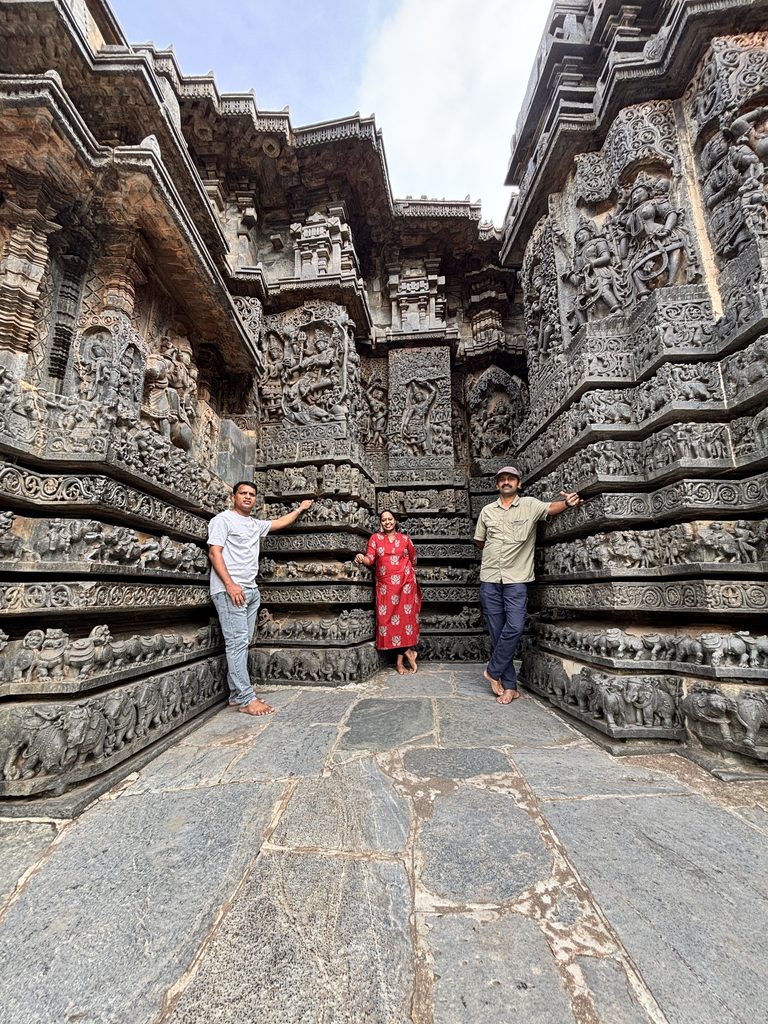
It is a twin temple, with the Hoysaleswara shrine for Shiva and the Shantaleswara shrine named after Queen Shantala Devi, both on one platform sharing a mandapa.
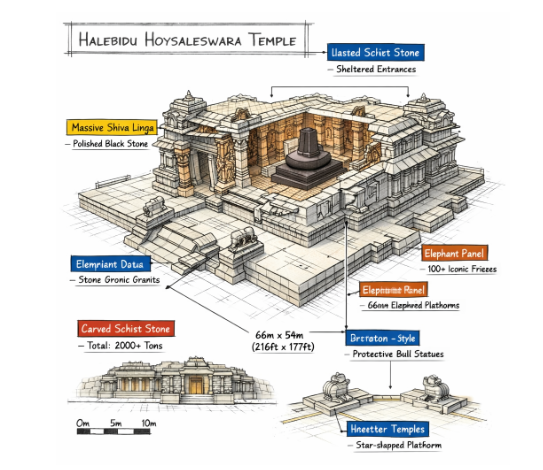
The temple was never fully completed. Construction went on for decades and invasions by the Delhi Sultanate halted it. The destruction of Dwarasamudra (the old name of Halebidu) marked the decline of the Hoysalas and a major turning point in South Indian history. Ironically, even in its unfinished state it is regarded as a masterpiece.
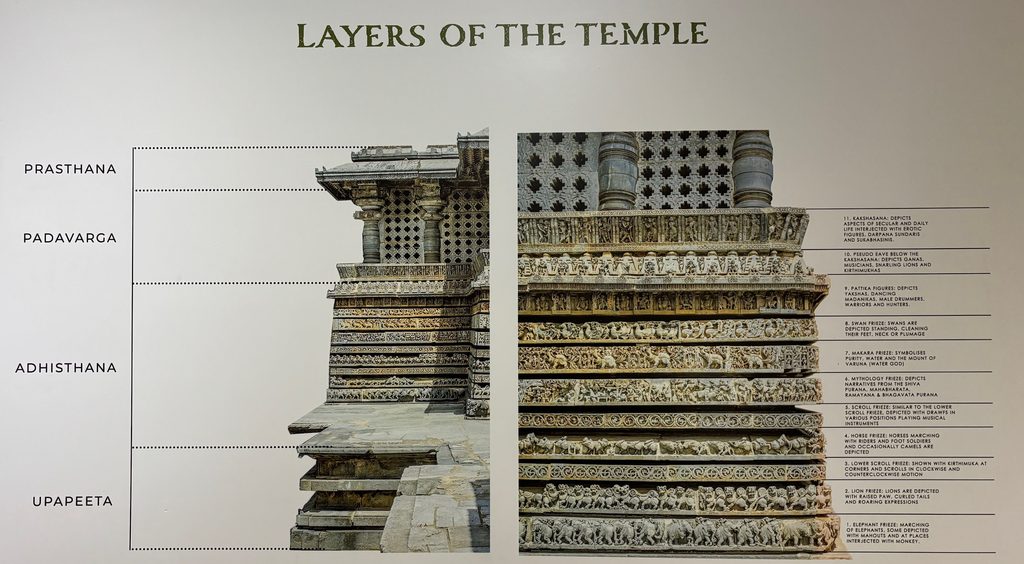
Some interesting facts about Hoysaleswara Temple
- The star-shaped plan here is more complex than Belur, with multiple points creating hundreds of sculptural surfaces.
- There are seven horizontal bands running around the temple. From the bottom: elephants, lions, horses, floral scrolls, mythological battles, Ramayana scenes, and Mahabharata and Puranic stories.
- Famous sculptures include Ravana shaking Mount Kailasa, Narasimha, Durga slaying Mahishasura, Arjuna shooting the fish-eye and Krishna lifting Govardhana.
- The outer walls also show Hoysala court life: musicians, dancers, royal processions and everyday scenes.
- Two massive Nandi statues sit in their own pavilions and are among the finest in India.
- Inside, the lathe-turned pillars and ceiling panels with lotuses and mandalas are more austere than Belur but still deeply elegant.
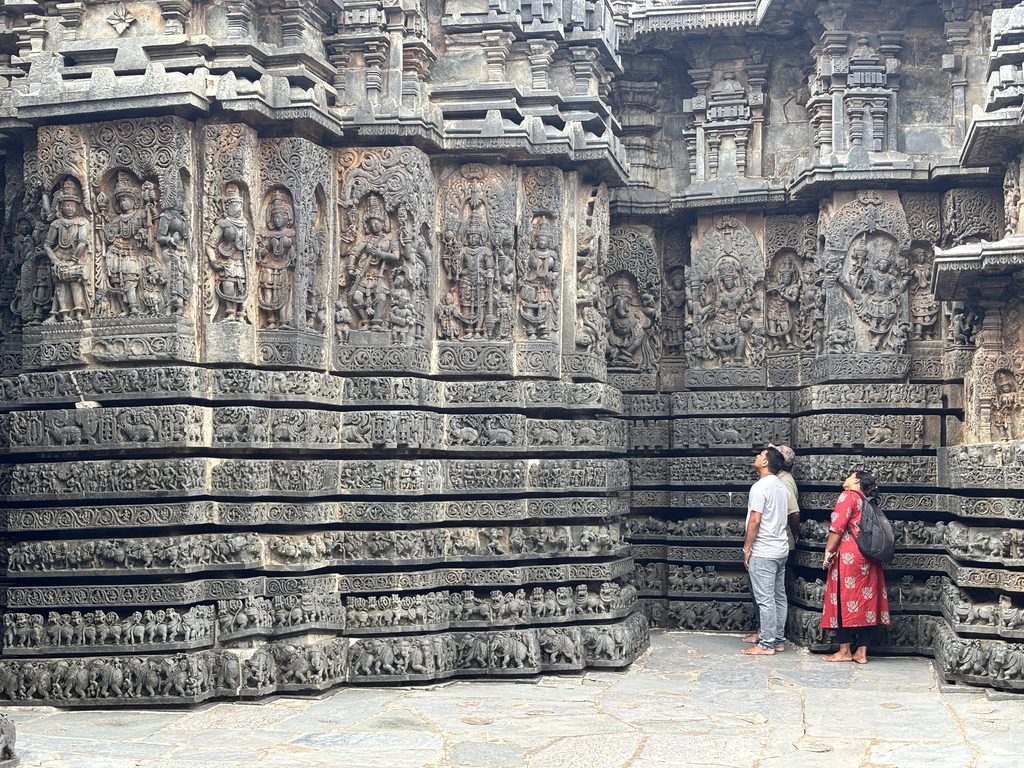
People say “every inch is carved” about this temple and it is not an exaggeration. The outer walls are like a stone encyclopedia of Hindu mythology. One could spend a whole day here and still not finish reading them.
ബേലൂരിൽ നിന്ന് വെറും 17 കിലോമീറ്റർ ആണ് ഹളെബീഡിലേക്ക്. ബേലൂർ തുടക്കം ആണെങ്കിൽ ഹളെബീഡ് ആണ് ഹൊയ്സാല ശില്പകലയുടെ ഏറ്റവും വലിയ സർവകലാശാല. കൊത്താതെ ഒരിഞ്ച് സ്ഥലം പോലും ബാക്കിയില്ല എന്ന് പറയുന്നത് ഒരു അതിശയോക്തി അല്ല. രാമായണവും മഹാഭാരതവും പുരാണങ്ങളും ഭിത്തിയിൽ തന്നെ വായിക്കാം. വര്ഷങ്ങള്ക്കു മുമ്പേ ഇതൊക്കെ എങ്ങനെ സാധിച്ചെടുത്തു എന്ന് ആലോചിക്കാൻ തന്നെ കുറച്ചു സമയം എടുക്കും
Summary:
🛕Why Halebidu Is Historically Important
- The Royal Hoysala Capital Temple
- Built during the height of Hoysala power
- Represents the dynasty’s artistic and political peak
- Likely intended as the grandest Shiva temple of the empire
🔱A Temple That Was Never Fully Completed:
- Construction went on for decades
- Invasions by the Delhi Sultanate halted final completion
- Ironically, even unfinished, it is considered a masterpiece
🧱Shows the Shift in Medieval South Indian Power:
- The destruction of Dwarasamudra marked the decline of the Hoysalas
- Symbolizes a major turning point in South Indian history
☀️What to See (The Real Highlights)
- 🧱 Epic Frieze Layers (Walk Slowly Clockwise):
- There are 7 horizontal sculptural bands running around the temple:
- From bottom upward: Elephants, Lions, Horses, Floral scrolls, Mythological battles, Ramayana scenes, Mahabharata & Puranic stories
- These bands are unbelievably detailed — warriors, expressions, weapons, emotions
- There are 7 horizontal sculptural bands running around the temple:
- 🔱 Shiva Sculptures (Absolutely Legendary):
- Ravana shaking Mount Kailasa
- Narasimha avatar
- Durga slaying Mahishasura
- Arjuna shooting the fish-eye
- Krishna lifting Govardhana
- 💃 Dancing & Musical Figures: Reflect Hoysala court culture: Musicians, Dancers, Royal processions, Everyday life scenes
- 🪜 Nandi Pavilions: Two massive Nandi statues, Highly polished and proportionate, Among the finest Nandis in India
- 🧘 Interior Pillars & Ceilings: Lathe-turned pillars, Intricate ceiling panels showing lotuses and mandalas, More austere than Belur but deeply elegant
Day 2, Destination 3: Chitradurga Fort
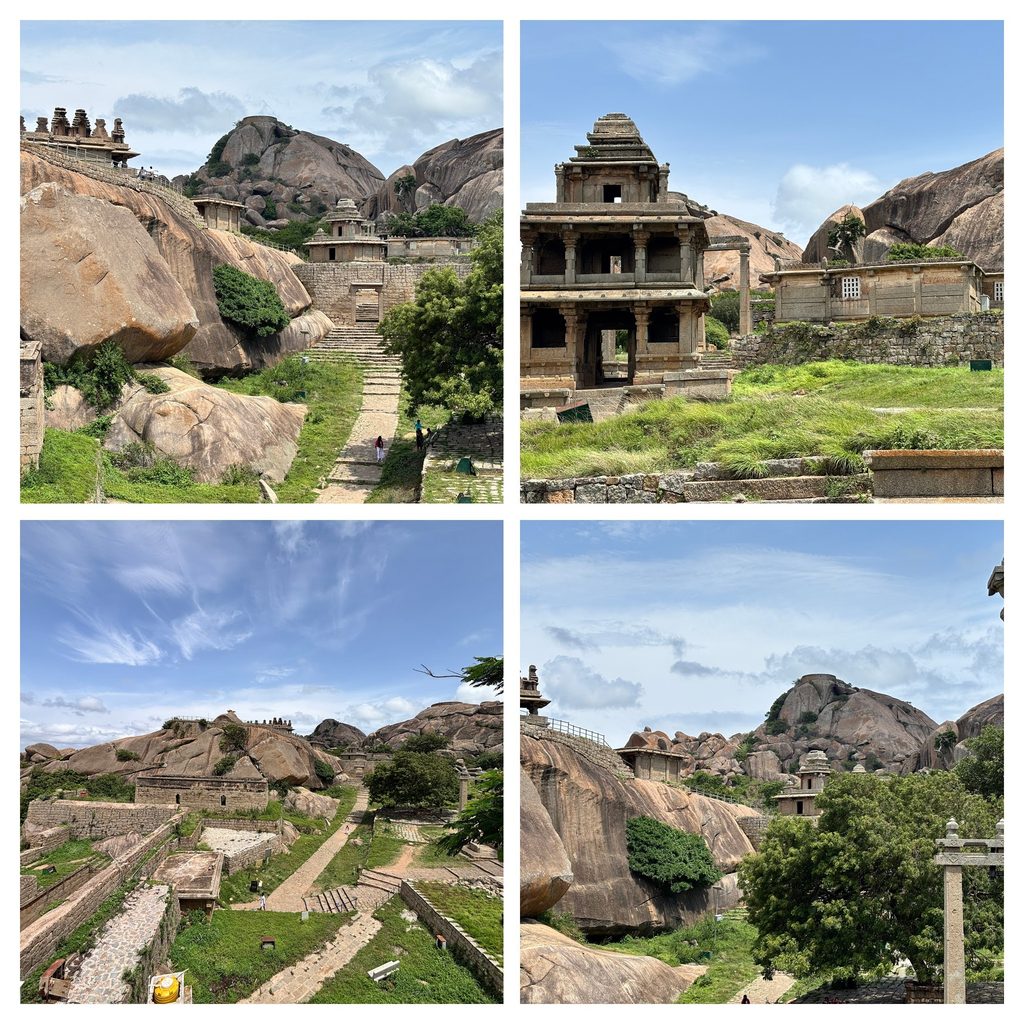
From Halebidu, Chitradurga is around 160 kms (about 3.5 hours). This was more of a breather between two big temple destinations, and a very different kind of place. Chitradurga Fort is famous for its ingenious defence system, layered walls and the heroic resistance against Hyder Ali.
ഹളെബീഡിൽ നിന്ന് ചിത്രദുർഗയിലേക്ക് ഏകദേശം മൂന്നര മണിക്കൂർ. ക്ഷേത്രങ്ങളിൽ നിന്ന് ഒരു ബ്രേക്ക്, പക്ഷേ ഇതും വേറെ തരം അത്ഭുതം തന്നെ. ഒന്നിന് പിന്നാലെ ഒന്നായി മതിലുകൾ, ഒളിപ്പാതകൾ, ധാന്യപ്പുരകൾ.
A short history, for those interested:
- 10th to 13th century: early foundations laid by the Chalukyas and Hoysalas.
- 14th to 16th century: fortification expanded under the Vijayanagara Empire.
- 16th to 18th century: major expansion by the Chitradurga Nayakas.
- 1779: captured by Hyder Ali, later controlled by Tipu Sultan and then the British.
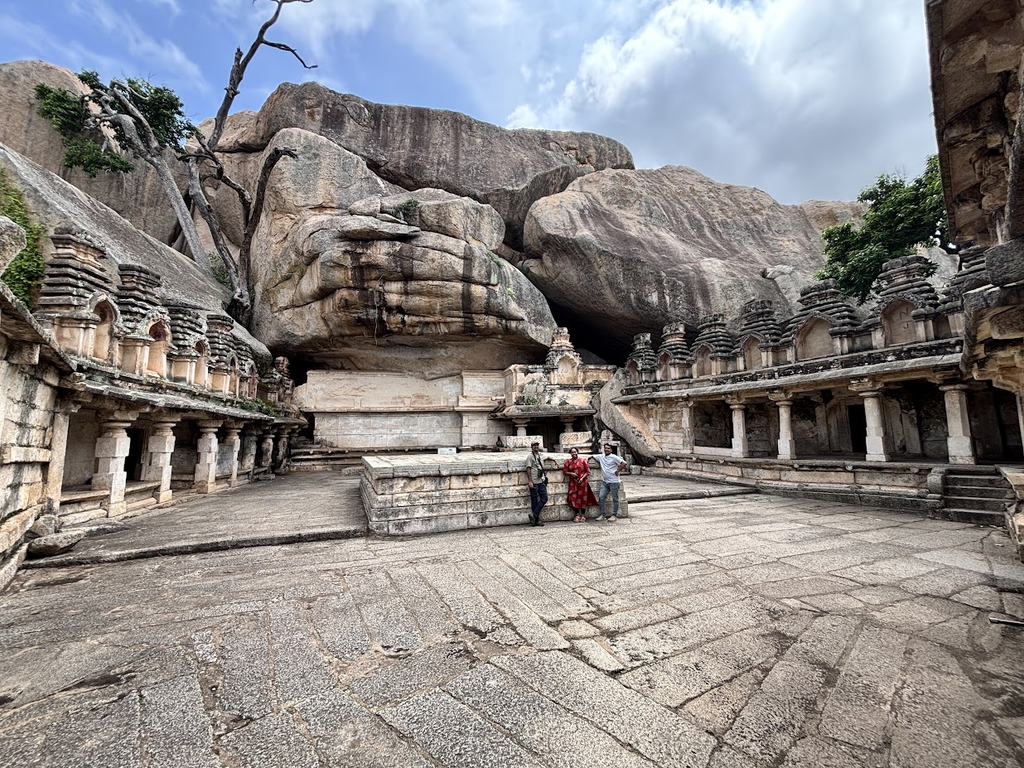
Inside the fort there are several temples, including Hidimbeshwara (linked to the Bhima and Hidimba legend of the Mahabharata, with a massive footprint believed to be Bhima’s), Sampige Siddheshwara, Phalguneshwara and Gopalaswamy. You will also find gateways like Rangayyana Bagilu (the main entrance) and Ekanatheshwari Bagilu (a strategic inner gate), along with guard rooms, granaries and secret passages. The statue of Madakari Nayaka, the last Nayaka ruler, overlooks the fort and the views of Chitradurga town from the top are great.
ചിത്രദുർഗ ഒരു വലിയ ലോകം ആണ്. ഭൂപ്രകൃതി അനുസരിച്ചു ഉള്ള നിർമിതികൾ, മഴവെള്ള സംഭരണികൾ മുതൽ ക്ഷേത്രങ്ങൾ വരെ നൂറു കണക്കിന് കെട്ടിടങ്ങൾ ഒരു പ്രദേശത്തിന്റെ ഭൂപ്രകൃതി മാറ്റാതെ ഉണ്ടാക്കി എടുക്കാനുള്ള ഒരു vision – അതിന്റെ ഒരു scale മണിക്കൂറുകളോളം നടന്നാലും വീണ്ടും വീണ്ടും കാണുന്ന പുതിയ ലോകം അങ്ങനെ ആണ് ചിത്രദുർഗ കണ്ടപ്പോൾ തോന്നിയത്.
Summary
☀️Brief History Timeline
- 10th–13th century: Early foundations laid by Chalukyas & Hoysalas
- 14th–16th century: Fortification expanded under Vijayanagara Empire
- 16th–18th century: Major expansion by Chitradurga Nayakas
- 1779: Captured by Hyder Ali
- Later: Controlled by Tipu Sultan, then British
🌊What to See Inside the Fort
- 🔱 Temples:
- Hidimbeshwara Temple: Linked to the Mahabharata (Bhima–Hidimba legend), Features a massive footprint believed to be Bhima’s
- Sampige Siddheshwara Temple
- Phalguneshwara & Gopalaswamy Temples
- 🚪 Gates & Structures: Rangayyana Bagilu (main entrance), Ekanatheshwari Bagilu (strategic inner gate), Guard rooms, granaries, and secret passages
- 🗿 Madakari Nayaka Statue: Commemorates the last Nayaka ruler, Overlooks the fort—symbolic and dramatic
- 🌄 Viewpoints: Stunning panoramic views of Chitradurga town
Heading to Hampi
Chitradurga to Hampi is about 150 kms (3 hours). By the time we got there, we had covered three destinations in a single day, and Hampi was still waiting for us. We checked in to our Homestay, and that became our base for the next two nights.
Day 3: One day in Hampi
I will not try to explain Hampi in a paragraph. It was the capital of the Vijayanagara Empire, one of the richest empires of its time, and today it is a UNESCO World Heritage Site spread across a landscape of giant boulders. The architecture is monumental, in granite, with tall gopurams, large mandapas, musical pillars and chariot motifs.
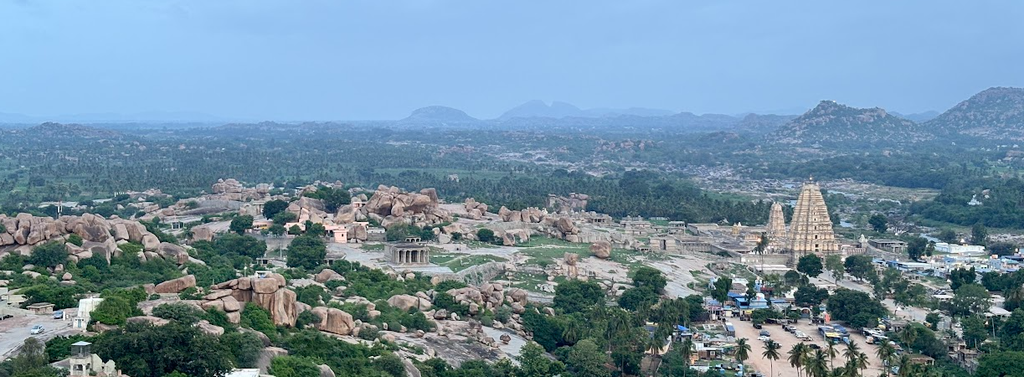
Here is the honest part. Hampi cannot be done in one day, not even in two days. We had exactly one, so we picked a handful of places and covered those well. The rest of Hampi, including the Vittala Temple with the stone chariot, the Royal Enclosure, Anegundi and the other side of the river, is parked for next year. Same goes for Ajanta and Ellora.
ചിത്രദുർഗയിൽ നിന്ന് ഹംപിയിലേക്ക് മൂന്ന് മണിക്കൂർ. ഒറ്റ ദിവസം കൊണ്ട് മൂന്ന് സ്ഥലം കണ്ടിട്ടും ഹംപി ഞങ്ങളെ കാത്തിരിക്കുകയായിരുന്നു.
ശ്യാം ഒരു നൂറു പ്രാവശ്യമെങ്കിലും ഹംപിയിൽ വന്നിട്ടുണ്ടാകും. ഇതിനും മാത്രം ഹംപിയിൽ എന്താണെന്നു ബാക്കി നമ്മൾ മൂന്നാളും വര്ഷങ്ങളായി ശ്യാമിനോട് ചോദിക്കുന്നു. ആ ചോദ്യം ഇനിയില്ല. ഹംപി ഒരു ‘other wordly’ ഡെസ്റ്റിനേഷൻ ആണ്. വല്ലാതെ പെട്ട് പോകുന്ന എന്തോ ഒരു കാന്തശക്തി അവിടെ ഉണ്ട്. ലോകത്തിലെ രണ്ടാമത്തെ സമ്പന്ന നഗരം ആയിരുന്നു ഹംപി. യഥാർത്ഥ രാജ നഗരം. രത്നങ്ങൾ കൈ മാറുന്ന വ്യാപാര നഗരം. ആയിരക്കണക്കിന് കൽ ശില്പ നിർമിതികൾ. പ്രൗഢ കാലത്തു അതിലൂടെ ഒന്ന് നടക്കാൻ പറ്റിയിരുന്നെങ്കിൽ …
Pro-tip: start early. It gets hot very quickly and there is very little shade.
This is what we saw – in sequence, walked all the way along in sequence.
Matanga Hill
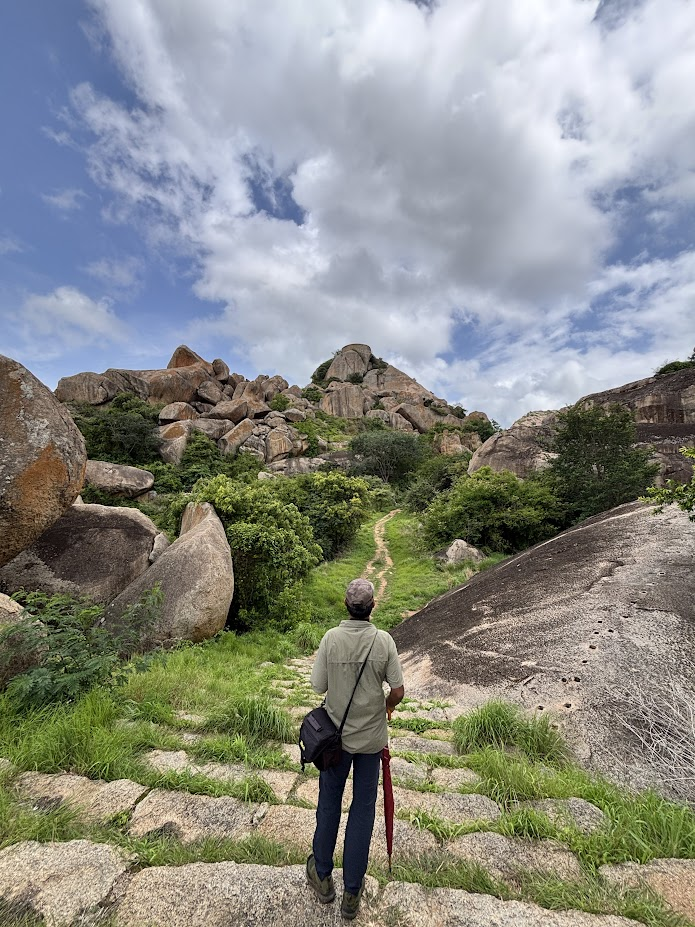
Matanga Hill is the highest point around Hampi. The climb is a series of steps over rock and it is worth every one of them. From the top you get a panoramic view of the whole landscape, with temple towers, banana fields, the river and boulders everywhere. In the Ramayana, this hill is associated with Matanga Rishi and the monkey king Sugriva.
Achyutaraya Temple and its Pushkarani
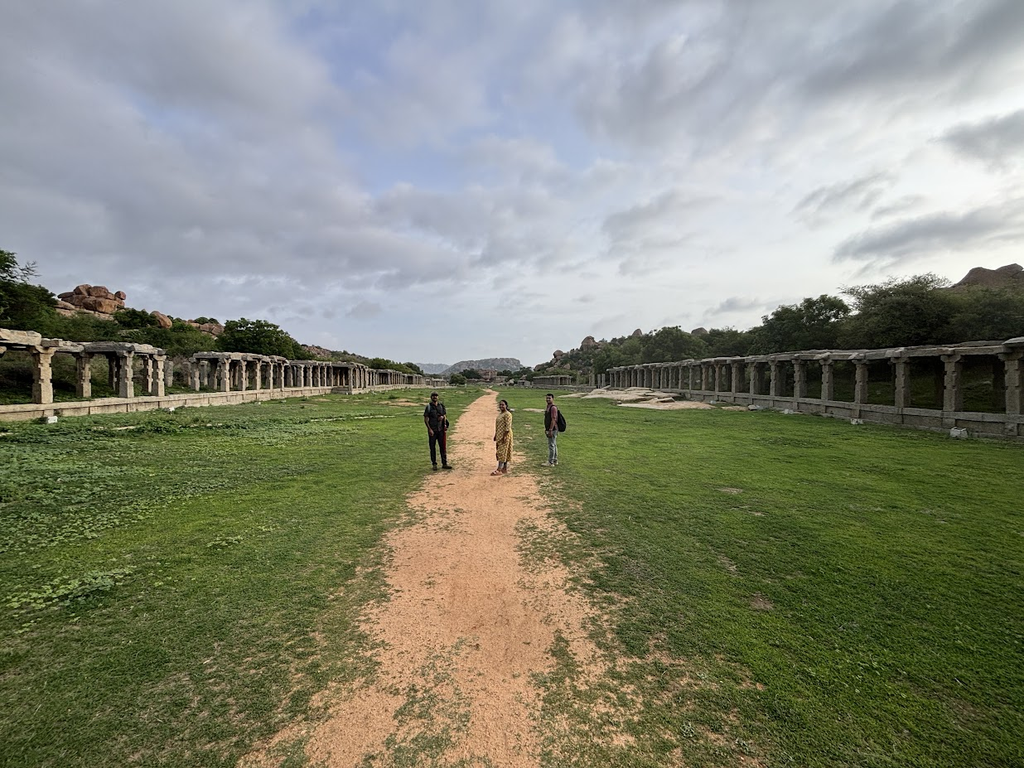
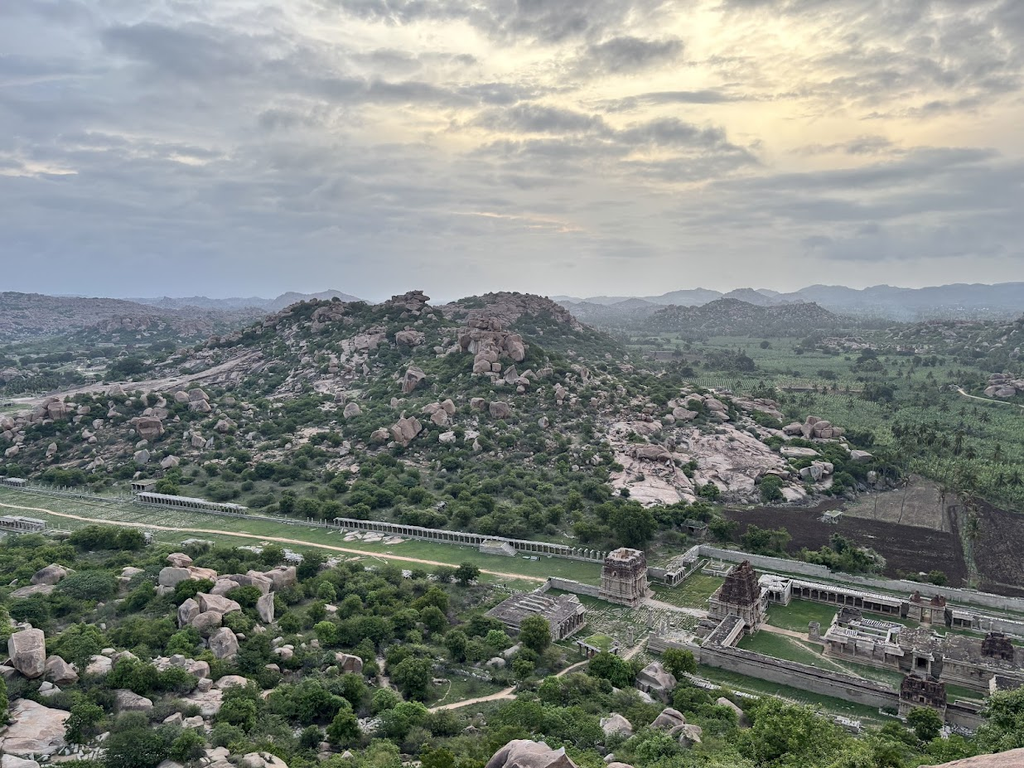
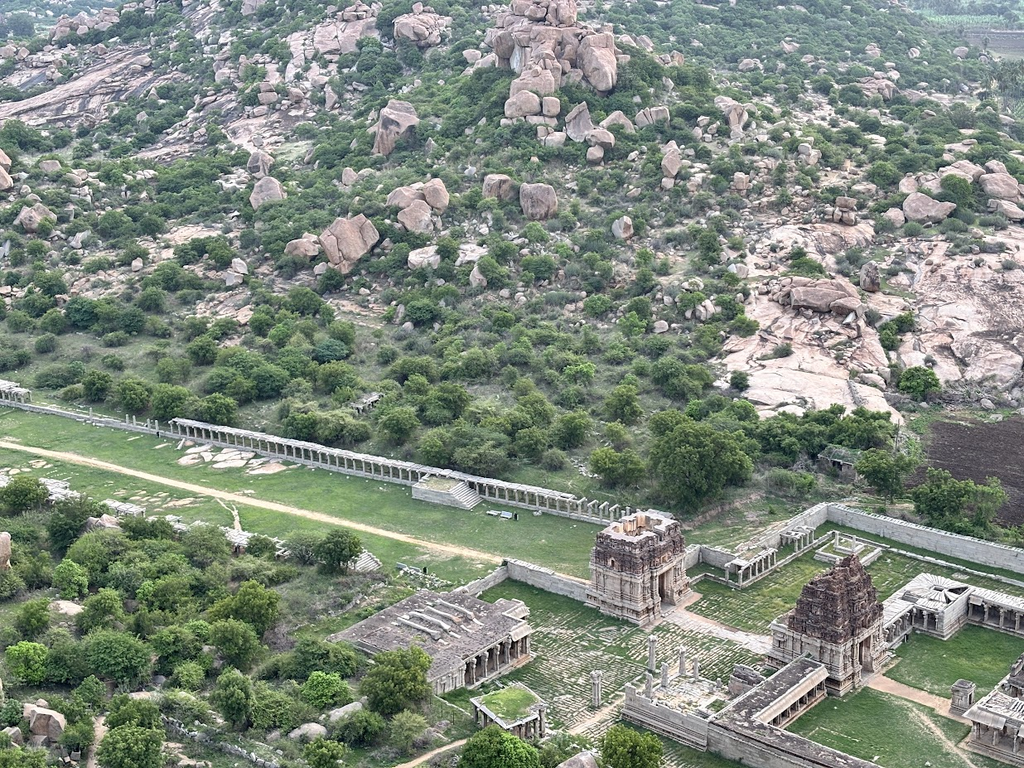
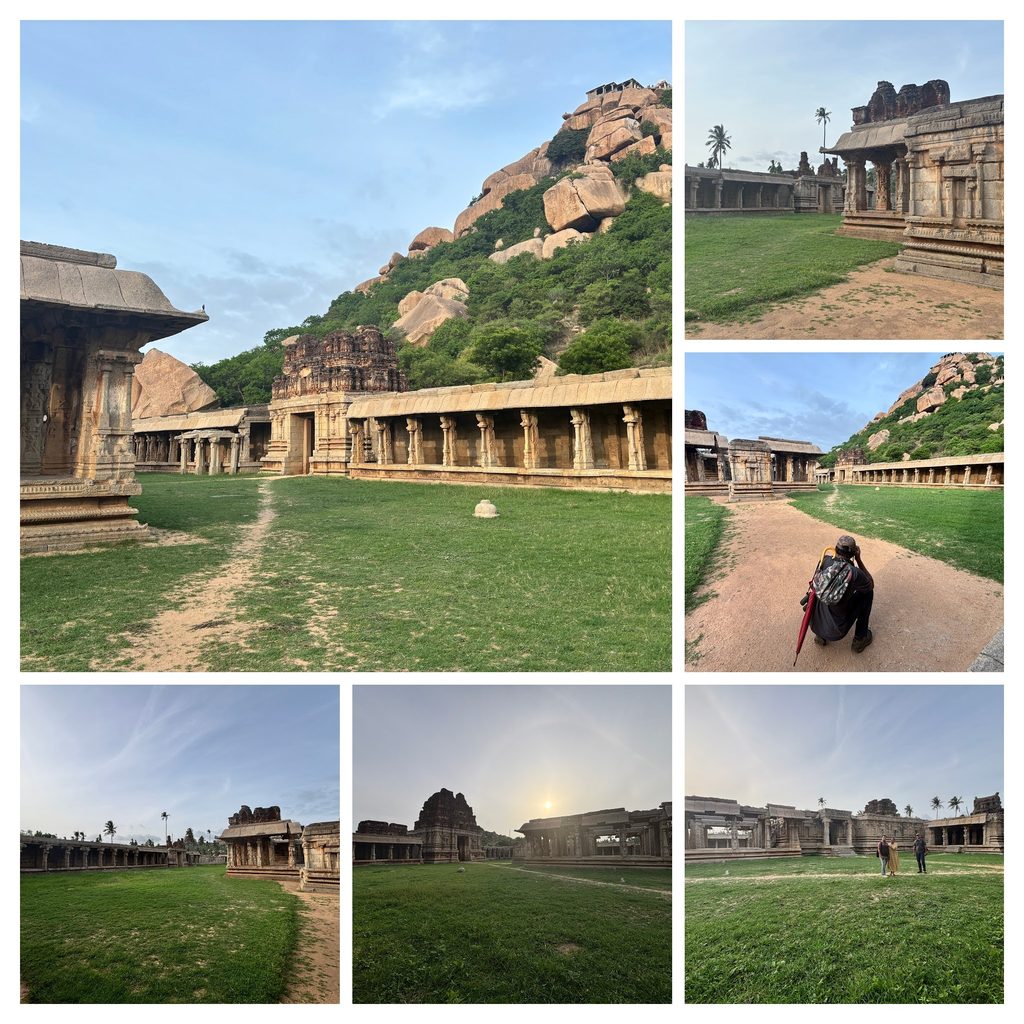
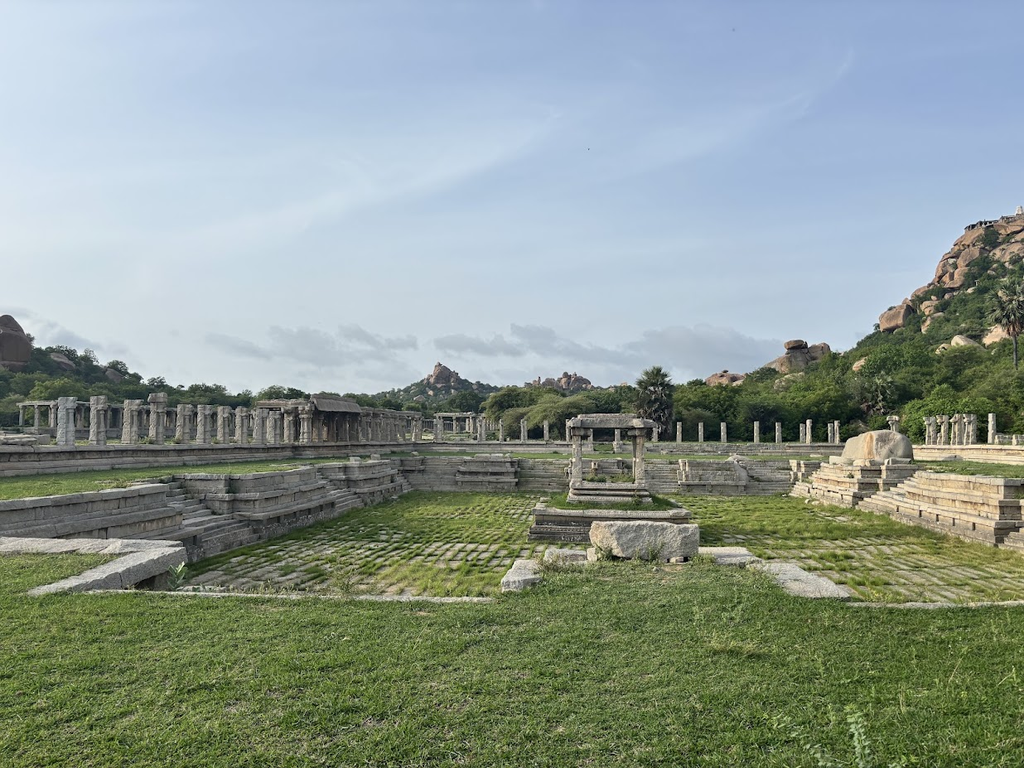
Achyutaraya Temple (also known as the Tiruvengalanatha temple) is dedicated to Vishnu and was built during the reign of Achyuta Deva Raya in the 16th century. It is far less crowded than the better known temples of Hampi and, for me, one of the most atmospheric ruins here. You approach it through the long colonnaded Courtesans’ Street, with the hills as backdrop. Close by is the stepped tank, the Achyutaraya Swami Temple Pushkarani.
Yantrodharaka Hanuman Temple
A small and quiet shrine on a rocky bank close to the Tungabhadra. Hanuman here is shown within a yantra, a geometric diagram, instead of the usual standing form. As per what we read, it is associated with the saint Vyasaraja.
Hampi Bazaar and Virupaksha Temple
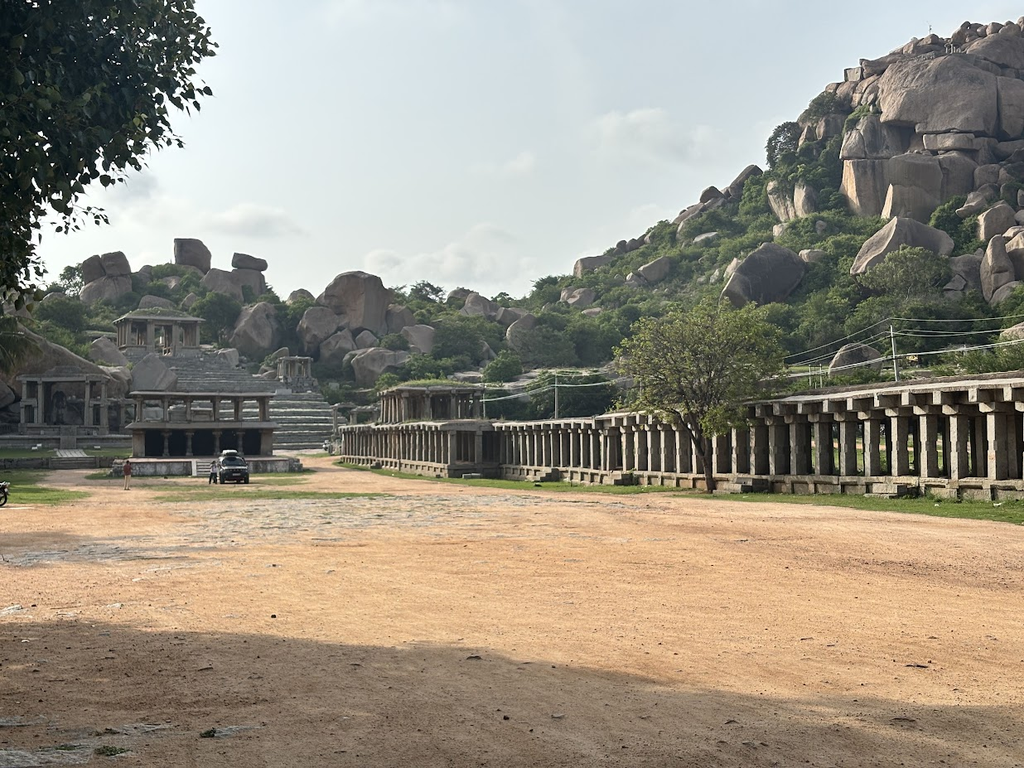
Hampi Bazaar is the long street leading up to Virupaksha Temple. Ruins and daily life are mixed here. There are shops, cafes, locals going about their day and old mandapas on both sides. This is one of my favourite things about Hampi.
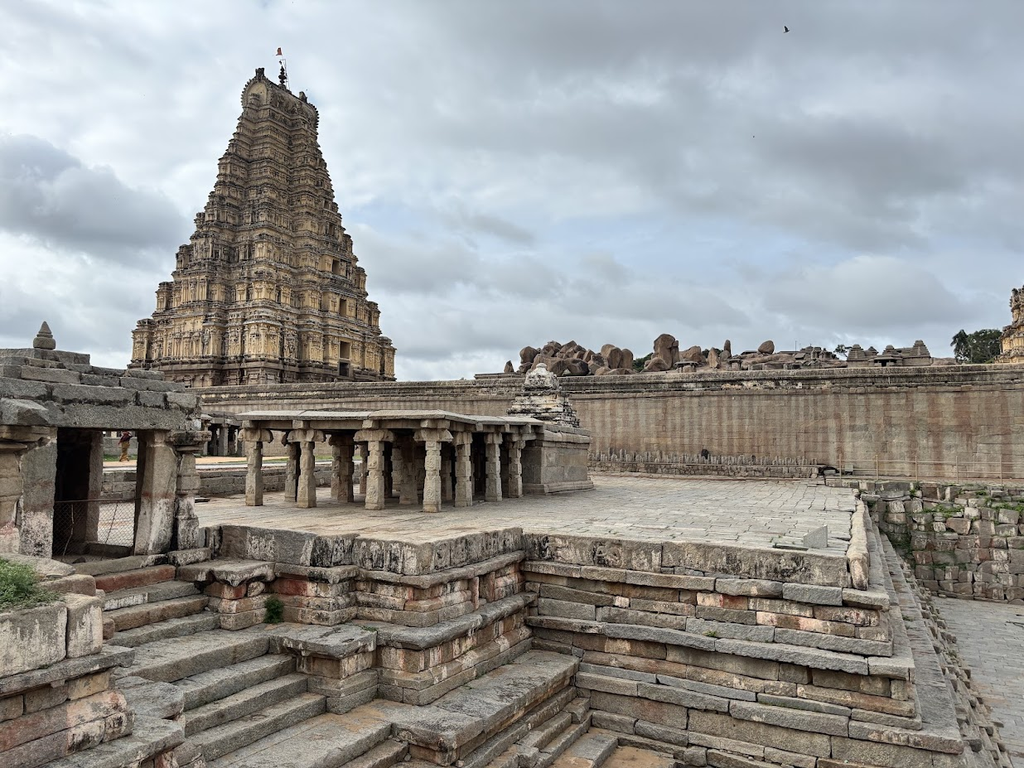
The Virupaksha Temple is dedicated to Shiva (as Virupaksha) and has the tall gopuram that dominates the skyline. It is one of the oldest functioning temples in India.
Some interesting facts about Virupaksha Temple
- It is one of the main monuments in the UNESCO World Heritage Site of Hampi.
- It has been in continuous worship for centuries, through the rise and fall of the Vijayanagara Empire.
- The main gopuram is among the tallest structures in Hampi.
ഹംപി ബസാറിൽ പഴയ അവശിഷ്ടങ്ങളും ഇന്നത്തെ ജീവിതവും ഒരുമിച്ചാണ്. കടകളും ചായക്കടകളും നാട്ടുകാരും ഒരു വശത്ത്, നൂറ്റാണ്ടുകൾ പഴക്കമുള്ള മണ്ഡപങ്ങൾ മറുവശത്ത്. വിരൂപാക്ഷ ക്ഷേത്രം ഇന്നും പൂജ നടക്കുന്ന ഇന്ത്യയിലെ ഏറ്റവും പഴക്കമുള്ള ക്ഷേത്രങ്ങളിൽ ഒന്നാണ്.
Hemakuta Hill ruins
Right behind Virupaksha is Hemakuta Hill with scattered small temples and gateways, many of them older than the Vijayanagara empire itself. It is a quick climb, the views are fantastic and it is a great spot to simply sit down and take in the landscape.
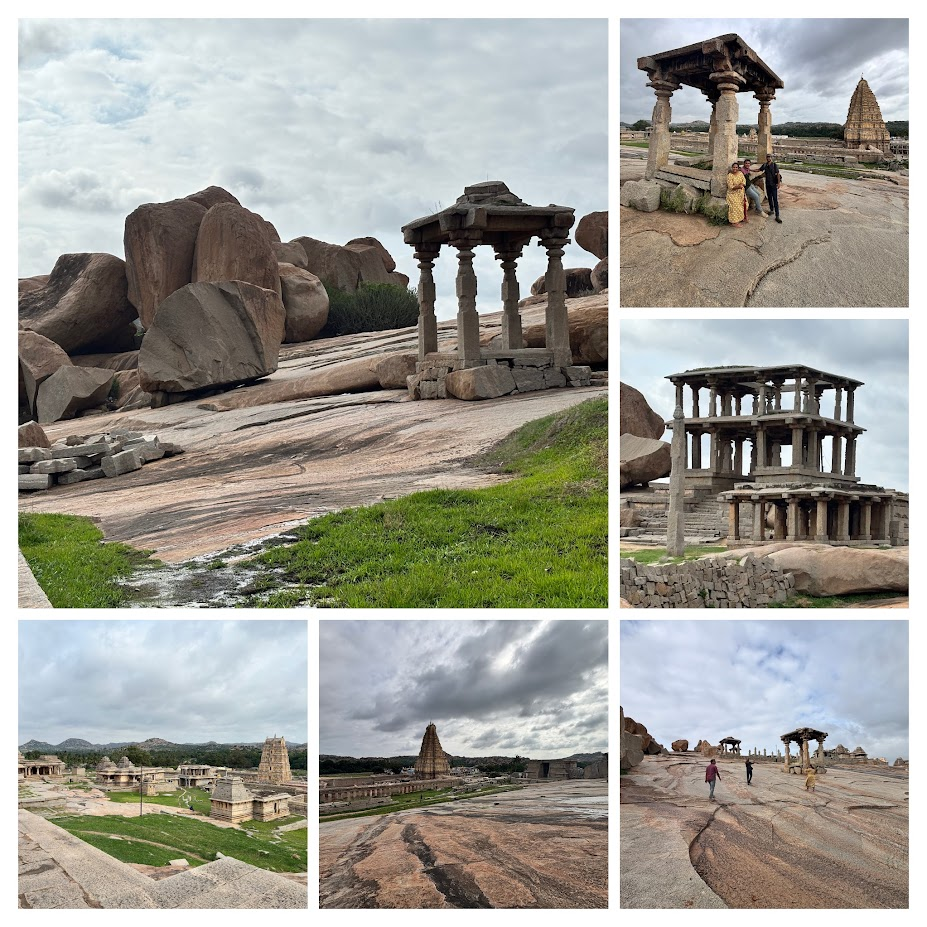
Shri Krishna Temple
The Krishna Temple was built in the early 16th century by Krishnadevaraya, the most celebrated Vijayanagara ruler. The temple faces its own bazaar street, which is mostly in ruins today.
Shri Lakshmi Narasimha Temple
Home to one of the biggest monolithic sculptures in Hampi. Narasimha, the man-lion form of Vishnu, is shown seated on the coils of the serpent Adishesha. The sculpture was damaged over the centuries, but it is still huge, and a reminder of the scale on which the Vijayanagara sculptors worked. Another place where photos do not do justice.
Pushkarni
We ended with another stepped tank, the Pushkarni.
Some interesting facts about Vijayanagara architecture
- Granite construction, quite different from the soapstone of the Hoysalas.
- Tall gopurams and large mandapas.
- Musical pillars and chariot motifs (we have to save the Vittala Temple for next year).
Having seen the delicate soapstone of Belur and Halebidu the day before, standing in front of the granite monuments of Hampi, you feel how architecture changed with the dynasty, the material and the time. Two days, two completely different styles.
ഹംപി ഒറ്റ ദിവസം കൊണ്ട് കണ്ടു തീർക്കാവുന്ന സ്ഥലം അല്ല, ഒരു ആഴ്ച വേണം. ഒരു മൂന്നു ദിവസം എങ്കിലും വേണം. ഞങ്ങൾക്ക് കിട്ടിയതോ ഒരു ദിവസം മാത്രം. അതുകൊണ്ട് കുറച്ച് സ്ഥലങ്ങൾ തിരഞ്ഞെടുത്ത് സമാധാനത്തോടെ കണ്ടു. വിറ്റല ക്ഷേത്രവും തേരും ബാക്കി ഹംപിയും ഇനി അടുത്ത വർഷത്തേക്ക്. അജന്തയും എല്ലോറയും അതുപോലെ തന്നെ.
What came next
Our plan from here was to drive to Badami (150 kms, 3 hours) for the Chalukya rock-cut caves, Pattadakal, Aihole and then Vijayapura. That is a story for another day, and another write up. Ajanta and Ellora, along with the rest of Hampi, are for next year.
ഇനി ബാദാമി, പട്ടടക്കല്ല്, ഐഹോളെ, വിജയപുര. അതൊക്കെ മറ്റൊരു എഴുത്തിൽ. ഹംപിയുടെ ബാക്കിയും അജന്തയും എല്ലോറയും അടുത്ത വർഷത്തേക്ക്.
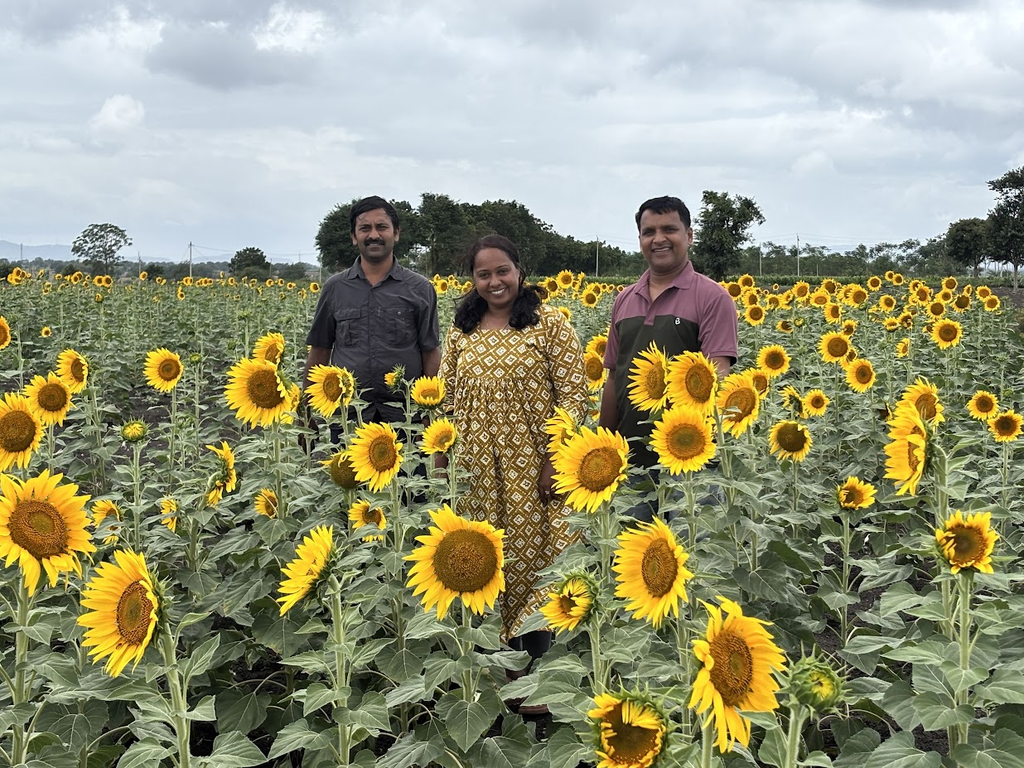
Due to some personal reasons that was important to all us, we decided to head back to Kanhagad. Drive back was nothing crazy, rather just killing miles. The only crazy time was the Agumbe Ghat which was very much filled with a ton of fog.
Almost a whole day of drive it was. We enjoyed a nice dinner at Viceroy Restaurant Kasagod (must visit) and arrived back before midnight.
Would you like to do this route?
Kanhangad (North Kerala) to Hampi via Belur, Halebidu and Chitradurga is easily doable in 2 days of driving if you start early, and Hampi deserves at least 2 full days on its own (we only managed one, so we will be back). If you only have a long weekend and are coming from Bengaluru, Belur and Halebidu make a great shorter trip by themselves.
Pro-tip: choose weekdays if you can. Fewer crowds, easier parking and more time to take it all in.
Bangalore to Tampi is about 6 hours, Chennai is about 10 hours and Hyderabad is about 7 hours. So Its a well positioned gem of a place that can easily be combined with a pan South India trip in any direction.
Winding up
It is impossible to exhaust the topic of the magnificent temples of Karnataka. The Hoysalas, the Chalukyas, the Vijayanagara kings, each left their own language in stone. What astounds me most is that so much of it has survived centuries of wars, invasions and neglect.
As with every trip, it was the company that made it special. Hours of driving, endless conversations about everything under the sun, and good food along the way. That is what mattered.
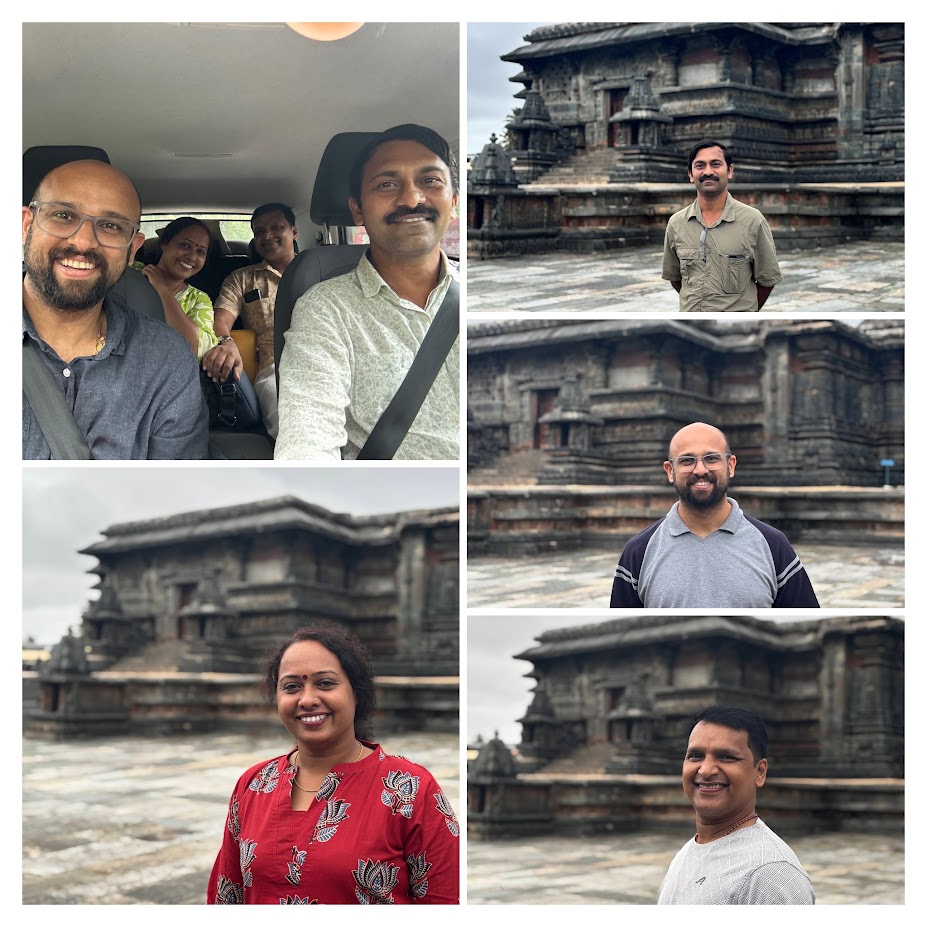
With the fuel filled in for another year, we meet again next year for the next one.
ഈ യാത്രകൾ, പറ്റുന്ന കാലത്തോളം പോകണം. മുമ്പ് പറഞത് പോലെ, ഈ യാത്രകൾ തരുന്ന ഊർജം ചില്ലറ അല്ല. ഹംപി പോലെ അത് അനുഭവിച്ചാൽ പിന്നെ വിട്ടുകളയാൻ പറ്റാത്ത എന്തോ ഒരു അത്ഭുതം ആണ് ഈ യാത്രകൾ. അടുത്ത തവണ പോകാനുള്ള പ്ലാൻ തയാറാണ്, കുറച്ചു മാസങ്ങൾ കൂടി കഴിയണം.
Karnataka temple architecture reference guide
🏛 Badami Chalukyas (6th – 8th centuries)
Style: Early rock-cut caves and structural temples — foundation of Dravidian temple architecture.
Examples
✔ Badami cave temples, ✔ Pattadakallu, ✔ Aihole Group of Temples
Features
- Rock-cut sandstone caves
- Early experimentation with temple layouts
- Massive pillars and simple structures
🏛 Western Chalukyas (Kalyani Chalukyas) (10th – 12th centuries)
Style: Transitional architecture blending Dravidian and early Nagara ideas.
Examples
✔ Shri Kaitabheshwara Temple, ✔ Dodda Basappa Temple
Features
- Star-shaped plans (stellate layouts)
- Lathe-turned pillars
- Ornate but balanced stone carving
🏛 Hoysalas (12th – 14th centuries)
Style: Highly ornate soapstone temples with dense sculpture.
Examples
✔ Chennakeshava Temple, ✔ Hoysaleswara Temple, ✔ Kesava Temple
Features
- Stellate (star) platforms
- Horizontal sculptural friezes
- Lathe-turned pillars
- Dense mythological carvings
🏛 Vijayanagara Empire (14th – 17th centuries)
Style: Monumental temple complexes and imperial grandeur.
Examples
✔ Virupaksha Temple, ✔ Vittala Temple, ✔ Hazara Rama Temple
Features
- Granite construction
- Tall gopurams (gateway towers)
- Large mandapas
Musical pillars and chariot motifs
🏛 Kadambas (4th – 6th centuries)
Style: Early indigenous Karnataka temple tradition.
Example
✔ Madhukeshwara Temple
Features
- Kadamba shikhara (pyramid-style tower)
- Simple and austere layouts
- Pre-Chalukyan regional style


1 Comment
Shyamkumar Puravankara · October 27, 2026 at 07:30
Well written one dilu , our journeys are important than destination ❤️